The Problem
Opioid overdose deaths remain a major public health crisis in the US and worldwide, driven largely by fentanyl and other synthetic opioids. After peaking at nearly 110,000 US overdose deaths in 2023, provisional CDC data show approximately 69,973 drug overdose deaths in 2025 — a 14% decline from 2024 and the third consecutive annual drop. Deaths involving opioids fell to an estimated 44,564 in 2025, down from 55,296 in 2024, with synthetic opioids like fentanyl dropping from 48,913 to 38,084 deaths. Despite this progress, opioids still account for roughly two-thirds of all overdose deaths, and fentanyl remains the single largest driver of the crisis.
An estimated 4.0 million Americans have opioid use disorder (OUD), yet only about 15.7% — roughly 623,000 people — receive medication treatment, leaving a substantial treatment gap. Our site provides telemedical solutions for the diagnosis, prevention, and treatment of opioid use disorder
Prevention of Opioid Use Disorder
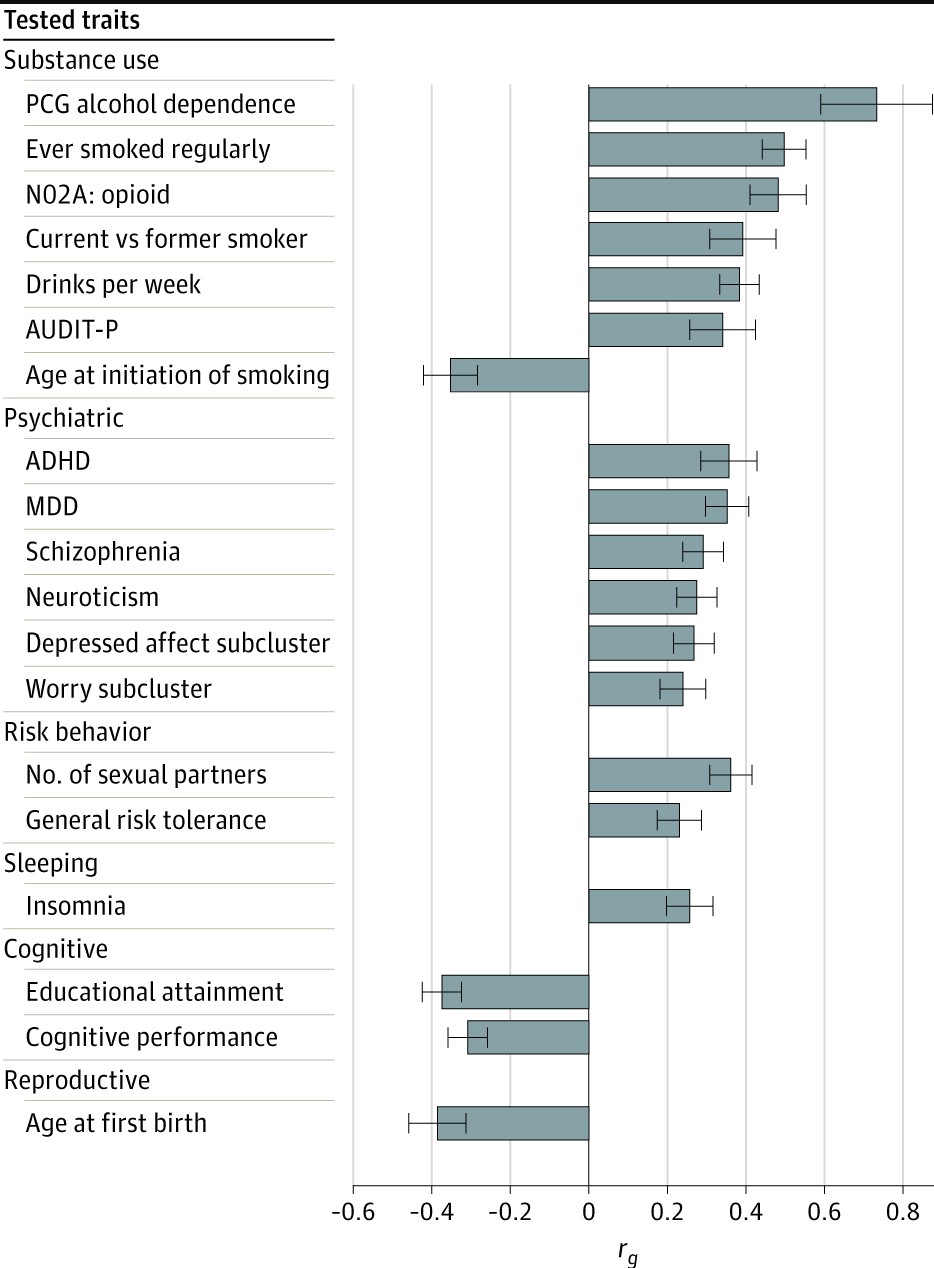
Prevention can be accomplished by utilizing risk analysis.
Diagnosis and treatment of opioid use disorder
Opioid addiction therapy includes :
-
medication (methadone, buprenorphine or naltrexone)
-
point of care testing for compliance, Hep C Antibodies, Syphilis, Tuberculosis, Reflex Hep C viral load and genotype analysis, HIV antibody, HIV viral load, CD4/CD8 Ratio, and QTc from EKG.
-
-
one on one and group counseling
-
remote vital sign monitoring
-
-
-
-
-
-
psilocybin or ketamine treatment for those with depression
Literature and Related Sites